


Why Choose us
Linyi Yiyuanjiajing Plywood Factory is an industry leading wood products exporter and supply chain services company. Headquartered in Linyi, China with global sourcing and quality inspection teams located in Linyi city. We specialize in producing Melamine Blockboard, Fancy Blockboard, Commercial Blockboard, Melamine MDF Blockboard, Okoume Block Board, Plain Blockboard, and other Blockboard.
Strong production capacity
Our factories cover an area of 12,000 square meters, employing 200 highly skilled workers, and have an annual production capability of 100 thousands cubic meters of fancy plywood, commercial plywood and other laminated wood panels etc.
Wide Product Range
We mainly produce Commercial plywood, film faced plywood, fancy plywood, MDF, melamine board, OSB, particle baord, veneer blockboard, HDF Moulded door skin, melamine and UV panels and other products
Quality Assurance
We have ISO9001:2000, CE, FSC, CARB P2/EPA certifications.
Products Sell Well
Our products are mainly exported to the Middle East, Southeast Asia, Europe, Africa, America, Russia etc, and received good reviews.


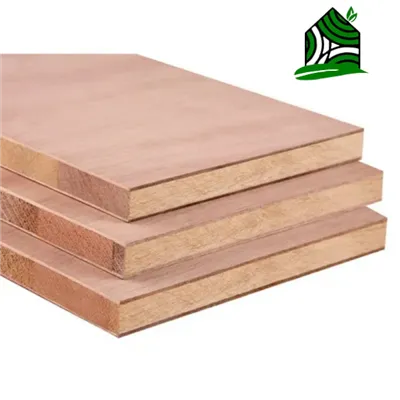


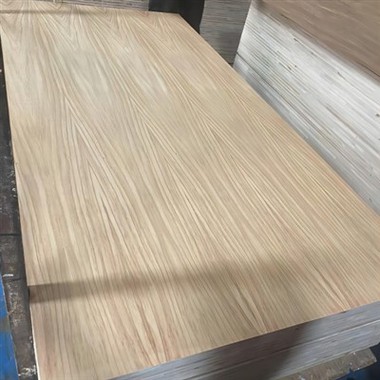


What is Blockboard
Blockboard is a type of engineered wood that is commonly used in the construction and furniture industries. It consists of a core made up of softwood strips placed edge-to-edge and sandwiched between two layers of hardwood veneer. If you want to know the specifications and prices of Blockboard, please contact us!
Lightweight
Block boards are very light in comparison to other engineered wood products that are manufactured using hardwood timber. The lower weight increases the longevity of furniture and doors as they exert less pressure on the hinges. Lightweight further contributes to the ease of transport of large block boards or furniture made from it over long distances. Logistical costs are also quite less.
Economical
Block boards sourced from quality block board suppliers are going to cost you much less than timber. As a consequence, block boards are the first choice in projects which require cost optimization without compromising on quality.
Resists Sagging and Warping
Block boards have the innate ability to resist sagging or bending. They are stiff and resist bending in the middle, unlike solid timber. This makes it ideal for use in making long bookshelves, tables, benches, or wall cabinets.
Resists Borer and Termite Attacks
Block boards are treated with special adhesives under extreme heat and pressure conditions which make them highly resistant to biological threats as well as resistant to chemicals.
Uniformly Stable and Very Strong
Block boards are formed by placing almost uniform-sized blocks of wood end to end in columns, thereby uniformly distributing the strength. Veneers are then pasted across the surface with glue under heat and pressure. This further reinforces the strength.
Poor Conductor of Heat, Sound, and Electricity
This property increases the utility of blockboard and makes it a practical choice for many engineering applications. They are widely used for manufacturing doors, partition boards, switchboards, tables, shelves, and wall panels.
Easy to Handle
This is a very important property of blockboard. It is easy to work with and it holds screws and nails quite well. It is dimensionally stable as a result of which it doesn't bend. Loose grains also don't come off when drilled.
Easy to Reclaim and Reuse
Block boards are easy to reclaim and reuse in other applications. That makes it one of the most environmentally safe wood products.
Easy to Work with Underwater
Block boards are easy to paint, work with and preserve in saline water. Due to its unique structure, it doesn't become pulpy or brittle under seawater.
Available in Many Size and Thickness Categories
Block boards are available in many sizes. It is often used in making furniture that is more than 6-7 feet long like wall panels, conference tables, etc. It also comes in many thicknesses. It is light. So it doesn't pose a challenge in the transportation of huge boards.
Type of Blockboard
Hardwood Block Board
This type of blockboard is crafted using hardwood blocks for the core. Hardwoods like teak, oak, or maple are common choices, imparting exceptional strength and durability to the final product. It is ideal for applications where sturdiness is paramount, such as furniture construction and structural elements.
Softwood Block Board
These types of blockboards are made by joining softwood strips under high pressure, resulting in a sturdy and durable product. The high-pressure process ensures that the core is strong and can withstand various stresses. This makes high-pressure blockboards ideal for use in furniture, cabinets, and other applications where strength and stability are crucial.
Moisture-Resistant Block Board
For areas prone to high humidity or moisture, a moisture-resistant board is the go-to choice. These water-resistant blockboards are made using Boiling Waterproof resin to fix strips inside the core, making them ideal for areas where moisture exposure is a concern. They are durable, easy to handle, and can hold screws and nails easily. With their water-resistant properties, these blockboards are suitable for both interior and exterior use, providing a reliable solution for different construction needs.
Fire-Retardant Block Board
This type of board is treated with fire-retardant chemicals, making it suitable for applications where fire safety is a priority. Commonly used in the construction of doors, partitions, and other structures requiring compliance with fire safety regulations.
Decorative Block Board
Crafted with an emphasis on aesthetics, the decorative board features a visually appealing surface veneer. This can include exotic hardwood veneers or artistic designs to enhance the overall appearance. It is popular in the production of high-end furniture pieces and decorative elements in interior design.
Interior-Grade Block Board
The core of the interior-grade blockboard is made of softwood strips that are glued together with a waterproof adhesive. This creates a solid and stable core that is less likely to warp or shrink over time. Interior-grade blockboard is, therefore, often used in the construction of furniture, cabinetry, and shelving. It is also used to make interior doors, wall panels, and more.
Exterior-Grade Block Board
An exterior-grade blockboard is a type of plywood made from layers of wood veneers bonded together with waterproof glue. It is usually made with hardwood veneers, such as oak or birch, and is designed for exterior applications such as siding and external wall cladding. It is more durable than regular plywood and can withstand moisture and temperature changes.
Material
Plywood is a sheet material manufactured from thin layers or 'plies' of wood glued together with an adhesive. It has different types, based on the wood used to build it, such as hardwood, softwood, alternate core and poplar ply.
Blockboard consists of a core made of wooden strips or blocks, placed edge to edge between two layers of plywood, which are then glued together under high pressure. Generally softwood is used in blockboards.
Uses
Different types of plywood are suited for different uses. Commercial ply, also referred to as MR grade plywood is used for most interior design work like TV units, cabinets, wardrobes, sofas, chairs etc. For areas susceptible to moisture, such as the bathroom and the kitchen, Marine ply, or BWP/BWR ply is used.
Blockboards are usually preferred when lengthy pieces or wooden boards are required while making furniture. This is because blockboard is stiffer and less prone to bending, unlike plywood. Blockboard is generally used for building long book shelves, tables and benches, single and double beds, settees, and lengthy wall panels. It is light in weight, and is used extensively for building interior and exterior doors.
Properties
Plywood is less susceptible to damage by water, and is resistant to cracking. It is uniform throughout its length and breadth, and can be easily lacquered, painted, veneered and laminated. However, long pieces of plywood tend to bend at the centre. Plywood will also splinter badly when cut.
Blockboard is more prone to water damage as it is known to retain moisture. It is stiffer than plywood and less prone to bending. It is dimensionally stable, and can withstand cracking. Unlike plywood it does not split on cutting, and is easy to work with. It is available in various finishes such as plastic laminates, wood veneers, etc. It can also be painted and polished. It is lighter than plywood as its core is made of softwood.
Maintenance and Life
Both plywood and blockboard are durable and can be cleaned easily. It is ideal not to expose either of them much to water unless using Marine Grade Plywood.
Size and Costs
For same thickness, the rate of Plywood is more than Blockboard.
The thickness range of plywood starts from 3mm whereas thickness range of blockboard starts from 12mm.
Block Board Manufacturing Process
Slicing
The wood logs and cut and sliced to produce sheets, called strips. The block strips are usually 25 mm in width.
Rotary Cutting
The second step is producing the veneer coating, which involves rotary cutting the logs to make the outer layer.
Gluing
The wood slices, or strips, are then glued together using adhesives like Urea formaldehyde and plastic resin under high-pressure conditions.
Drying
After the gluing process, the blocks are left in the sun for naturally drying in order to reduce the moisture and water content. The drying process continues until the humidity reduces to 10-12%, after which the blocks are processed to the next stage.
Attaching
In the next phase, the blocks are attached with the softwood or hardwood (veneer), for interior grade and exterior grade respectively.
Finishing
After the block board is ready, a final coating is done for extra strength and support.
Factors to Consider When Choosing Blockboard Furniture Boards
Intended Use and Environment
The first step in selecting the right blockboard furniture board is to determine the purpose of the furniture and the environment it will be placed in. For instance, if you're designing furniture for a high-moisture area like a bathroom, you'll need blockboard with water-resistant properties.
Core Material
The core of blockboard can be made from various wood species, each with different properties. Montco Timber offers a range of options, from hardwood to softwood cores. The choice of core material influences factors like weight, strength, and cost.
Veneer Quality
The veneer used on the surface of the blockboard affects its appearance. High-quality veneers result in an attractive, smooth finish. Montco blockboard timber is known for using premium veneers that enhance the visual appeal of the furniture.
Thickness
Blockboard is available in various thicknesses to suit different furniture designs and applications. Thicker boards provide more stability and strength, while thinner boards are lighter and more flexible.
Budget Considerations
Your budget will naturally impact your choice of blockboard furniture board. Montco Timber offers a range of options to accommodate different budget constraints without compromising on quality.
Finish Compatibility
If you plan to apply specific finishes or coatings to your furniture, it's important to select a blockboard that is compatible with those treatments. Some finishes work better with certain wood species and veneers.
Design and Aesthetics
The appearance of the blockboard, including its color, grain pattern, and overall aesthetics, should align with your design vision. Montco Timber provides a variety of options to match different design styles.
Sustainability
As environmental concerns grow, opting for sustainably sourced blockboard becomes crucial. Montco Timber places a strong emphasis on responsible sourcing and eco-friendly practices, ensuring that your furniture choice contributes positively to the environment.
Certifications

Frequently Asked Questions
Q: Can I paint or polish the surface of the blockboard?
Yes, you can paint or polish the surface of blockboard. Blockboard is a type of engineered wood product that consists of a core made of solid wood strips or blocks sandwiched between two layers of veneer or plywood. The outer layers of blockboard are typically made of a thin veneer, which can be painted or polished to enhance its appearance and protect it from damage.
Before painting or polishing blockboard, it is important to properly prepare the surface. Start by sanding the blockboard using a fine-grit sandpaper to create a smooth and even surface. This step helps to remove any imperfections, such as rough patches or splinters, and creates a better adhesion surface for paint or polish.
Once the blockboard is sanded, you can apply a primer if you plan to paint it. A good quality primer helps to seal the wood and prevent the paint from being absorbed unevenly. Allow the primer to dry completely according to the manufacturer's instructions before applying paint. Choose a paint that is suitable for wood surfaces and apply it in thin, even coats. Allow each coat to dry before applying the next layer. Depending on the desired finish and color, you may need to apply multiple coats of paint.
If you prefer to polish the blockboard instead of painting it, you can use wood polish or varnish. Apply the polish or varnish using a clean cloth or brush, following the manufacturer's instructions. Apply thin layers and allow each layer to dry before applying additional coats. This process helps to protect the blockboard from moisture and adds a glossy or satin finish. Regular maintenance, such as wiping with furniture polish or using a soft cloth, can help to keep the polished surface looking beautiful and well-maintained.
In conclusion, you can paint or polish the surface of blockboard to enhance its appearance and protect it from damage. Proper surface preparation, including sanding and priming, is crucial for a successful paint job. If you prefer a polished look, wood polish or varnish can be applied in thin, even coats. Whichever method you choose, following the manufacturer's instructions and properly maintaining the surface will help ensure the longevity and aesthetics of your blockboard.
Q: What is the basic properties of blockboard?
Strength and Durability: As softwoods are soft and have low strength, blockboards have moderate strength. They are fairly strong as compared to particle board and MDF, but have less strength as compared to plywood, which has cross-laminated structure. Even though they have low density, they can withstand moderate loads. Blockboards are less durable as compared to plywood.
Resistance to Water: Blockboards have fair resistance to water, they can be made waterproof by using BWP grade (Boiling Water Proof) resin for bonding the strips.
Resistance to Warping and Cracking: Blockboards have good dimensional stability when exposed to humidity, and thus they have moderate resistance to warping and cracking.
Resistance to Sagging and Bending: As they have stiffer structure, blockboards are less prone to sagging or bending. For furniture or any element whose length is more than 6 to 7 feet, blockboards are mostly preferred!
Fitting: Blockboards have very good screw holding capacity, unlike particle board and MDF. They can hold nails very well and thus are used for making custom made furniture. Also they are used as core in flush doors, where screw holding capacity is essential.
Surface Finishing: They are available in various finishes such as laminates, wood veneers, melamine, etc. They can also be painted and polished.
Ease of Working: They do not split while cutting and can be cut using regular wood work tools. Therefore, many carpenters prefer to work with blockboards!
Sound and Thermal Insulation: They are poor conductor of sound, heat and electricity. Thus they offer good sound and thermal insulation properties. Blockboards are used in partitions where soundproofing is required such as recording studios, radio stations, etc.
Q: Is blockboard suitable for outdoor use?
However, if the blockboard has a water-resistant seal, you can use it outdoors for short periods. For outdoor projects, materials like marine plywood are usually a better choice due to their superior moisture resistance.
Q: Can I paint or varnish blockboards?
Before applying paint or varnish, it's important to prepare the surface by sanding it smooth and applying a primer.
This will help the paint or varnish adhere better and result in a smoother, more professional finish.
It's also possible to apply a laminate or veneer to the surface of the blockboard to give it a more decorative appearance.
Q: Are blockboards costlier than plywood?
Generally, the cost of blockboards is comparable to that of plywood, but certain types of plywood can be more expensive.
The plywood price in India can range widely depending on the type, size, and brand. For example, the Calibrated plywood price tends to be higher due to its precise thickness and uniformity.
Similarly, Marine Plywood price is usually higher because of its enhanced water resistance, making it suitable for use in damp and humid conditions.
Q: What is a blockboard used for?
Q: What type of wood is block board?
Q: Is blockboard stronger than plywood?
Q: Is Block board waterproof?
Q: Is Blockboard stronger than MDF?
Q: Is blockboard hardwood or softwood?
Q: Is Blockboard good for furniture?
Q: How thick is blockboard?
Q: Can block board be painted?
Q: What does blockboard look like?
Q: Is block board durable?
As one of the leading blockboard manufacturers in China, we warmly welcome you to wholesale blockboard made in China here from our factory. All customized wood products are with high quality and low price. Contact us for free sample.